
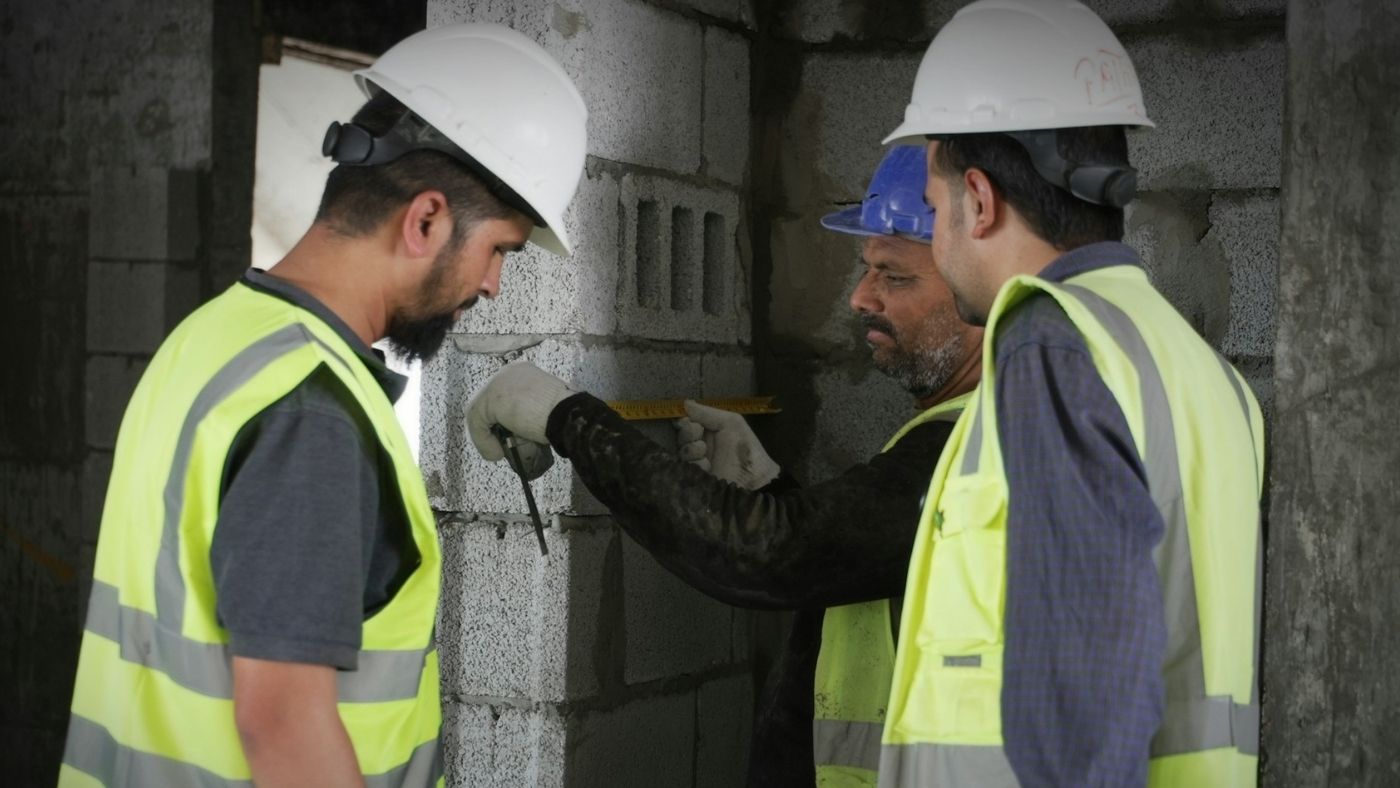
Some people talk about how something works. ISTPs take it apart, find out for themselves, and put it back together… usually better than before!
You might have heard of ISTPs by nicknames such as “The Virtuoso” or “The Craftsman,” which are well-earned!
You can think of ISTPs as the hands-on problem-solvers of the personality world. They’re practical, curious, and quietly confident, which means they’re exactly the kind of people who can fix your car, your tech, and occasionally your perspective, all before lunch.
ISTPs are explorers of the physical world. They learn by doing, experiment through action, and trust what they can see and test over what they’re told. They’re not loud about their skills, but they’re often the ones keeping things running while everyone else is theorizing.
The ISTP at a Glance
ISTP stands for Introverted, Sensing, Thinking, and Perceiving, which is a combination that produces people who are analytical, adaptable, and self-reliant.
These people thrive on freedom and flexibility and relish the ability to follow their curiosity wherever it leads. ISTPs don’t like being boxed in by rules or routines; they want to figure things out their own way.
If you know one, you’ll likely immediately notice that they’re remarkably observant and quick on their feet, with a natural knack for troubleshooting. Whether it’s a machine, a process, or a situation, ISTPs instinctively spot how things fit together and how to make them work even better.
Socially, they’re typically calm, understated, and often even a bit mysterious. They don’t seek attention, but their quiet competence tends to draw it anyway. They’re at ease in their own company, but they also enjoy people who share their sense of adventure and independence.
How ISTPs Tend to Think, Feel, and Act
More than anything, ISTPs are typically guided by logic and experience. They trust their senses and their instincts, and they prefer to learn through direct engagement rather than abstract theory.
That means they’re also natural tinkerers who are endlessly curious about how things work and are unafraid to take risks to find out.
Where others hesitate, ISTPs act.
Now, that’s not to say that they’re reckless. They’re just confident in their ability to adapt to whatever happens next!
At work, they excel in hands-on fields that reward precision and independence: engineering, mechanics, surgery, design, athletics, and emergency response all tend to attract a fair share of ISTPs, which makes a lot of sense. They’re often drawn to environments that are practical, fast-paced, and unpredictable, i.e., places where thinking on your feet is a survival skill.
Emotionally, ISTPs are steady and private people.
They feel deeply but rarely show it openly. They prefer to express care through action, like fixing things, helping out, or even just simply being there when it counts.
The MBTI Logic Behind It
According to MBTI theory, ISTPs’ mental wiring is shaped by a set of cognitive functions that explain their calm, tactical approach to life:
- Dominant: Introverted Thinking (Ti) – This is the analyst. “Ti” drives ISTPs to understand systems logically and precisely.
- Auxiliary: Extraverted Sensing (Se) – And here we see the realist. “Se” is what keeps ISTPs grounded in the present and attuned to their environment.
- Tertiary: Introverted Intuition (Ni) – This is the quiet strategist. “Ni” occasionally gives ISTPs flashes of insight about patterns or outcomes.
- Inferior: Extraverted Feeling (Fe) – Finally, think of this as the social connector. “Fe” helps ISTPs navigate relationships, though it can feel awkward or secondary.
This function stack explains why ISTPs are both analytical and action-oriented: they think deeply but act decisively, blending logic with instinct in a way that looks effortless from the outside.
Common Misunderstandings About ISTPs
Now that we’ve covered what it means to be an ISTP, let’s pump the brakes for a moment and clear up some of the misconceptions that tend to pop up about them.
“ISTPs are emotionless.”
They’re not emotionless robots; they’re just private people. ISTPs typically prefer to show care through practical help rather than words.
“ISTPs are reckless risk-takers.”
From the outside, they might seem reckless, but ISTPs are actually very calculated. They trust their skills and instincts, which makes them way more comfortable with risk than most.
“ISTPs don’t plan ahead.”
Nope! They do, they just do it differently. ISTPs plan through readiness, not rigid schedules. They prepare by staying adaptable.
Growth Tips for ISTPs
Growth for ISTPs commonly means learning to engage not just with things, but with people.
As an ISTP, you’re brilliant at solving mechanical or technical problems, but emotional ones can feel frustratingly abstract. Still, relationships (just like machines) work better when maintained with both care and attention.
So try to share what’s going on inside more often. You don’t have to become an open book, but letting others in helps them understand your intentions and builds trust that can make life smoother.
ISTPs also benefit from developing long-term vision. You’re great at handling what’s right in front of you, but sometimes the bigger picture gets kinda… lost in the moment. Taking time to reflect on where you’re heading can turn your independence into a clearer purpose.
And finally, (and I know this is a tough one…) remember that not every challenge needs “fixing”. Sometimes presence is enough. You don’t always have to do something to make an impact. Sometimes just being there is the repair that really matters.
ISTPs who learn the art of balancing action with reflection are able to become not just masters of mechanics, but masters of life’s moving parts… including their own!
How ISTPs Work With Others
Working with an ISTP feels calm, competent, and efficient. They’re commonly the ones who keep their heads when everyone else is panicking. They don’t like to overcomplicate things and prefer to just quietly figure out what needs doing and do it.
More often than not, they value autonomy and respect others who can think for themselves. They’re not fans of micromanagement or endless meetings and would rather be trusted to deliver results their own way.
In relationships, ISTPs are often loyal, easygoing partners who prefer shared experiences over emotional drama. They show affection through actions like fixing something, showing up, or making life a little easier for the people they care about.
When ISTPs balance their independence with communication, they become incredibly reliable companions who are grounded, capable, and quietly yet massively supportive.
How Science Looks at Personality
Now let’s zoom out from MBTI and look at what psychology says about personality.
While MBTI offers a reflective framework, modern psychology uses what’s called the Big Five Personality Model, which measures traits across spectrums: Openness, Conscientiousness, Extraversion, Agreeableness, and Neuroticism.
If we were to loosely map ISTPs to the Big Five, we might see:
- High Conscientiousness (disciplined, methodical, practical)
- Moderate Openness (curious, hands-on, realistic)
- Low Extraversion (independent, reserved, self-contained)
- Moderate Agreeableness (fair-minded, calm, straightforward)
This combination helps explain the ISTP’s grounded independence. We see that they’re curious but practical, logical but adaptable, and happiest when they can work at their own pace!
For more on the science behind personality, check out our guide to the Big Five model, or check out our look at Why MBTI Isn’t Scientific for a deeper look at how MBTI fits into modern research.
Why MBTI Still Matters (and How to Use It Well)
For ISTPs, MBTI isn’t about labeling so much as it’s about understanding the system. You like knowing how things work, and MBTI gives you a framework for exploring how you work: how you process information, make decisions, and interact with the world.
It helps explain why you crave independence, why you need hands-on experience to learn, and why too many rules feel like sand in the gears. But it also highlights your growth edges like emotional expression, long-term planning, and collaboration.
Used well, MBTI becomes another tool in your mental toolkit. It’s not a rulebook, but a diagnostic instrument. It helps you fine-tune your approach to work, relationships, and life itself.
And if there’s one thing any ISTP absolutely loves, it’s a tool that actually works.
Tomato Takeaway
ISTPs are the quiet craftsmen of the personality world. They’re resourceful, unflappable, and endlessly curious about how things fit together.
You’re the ones who remind us that mastery isn’t loud; it’s precise. In your hands, you show that curiosity can be turned into a skill and that skill can be turned into the freedom to move through life knowing that whatever breaks, you can probably fix it!
So with today’s Tomato Takeaway, I’d love to hear from the ISTPs out there!
What’s something you’ve built, fixed, or figured out lately?
Drop your thoughts in the comments below and let’s chat!

Fueled by coffee and curiosity, Jeffrey is a veteran blogger with an MBA and a lifelong passion for psychology. Currently finishing an MS in Industrial-Organizational Psychology (and eyeing that PhD), he’s on a mission to make science-backed psychology fun, clear, and accessible for everyone. When he’s not busting myths or brewing up new articles, you’ll probably find him at the D&D table or hunting for his next great cup of coffee.